
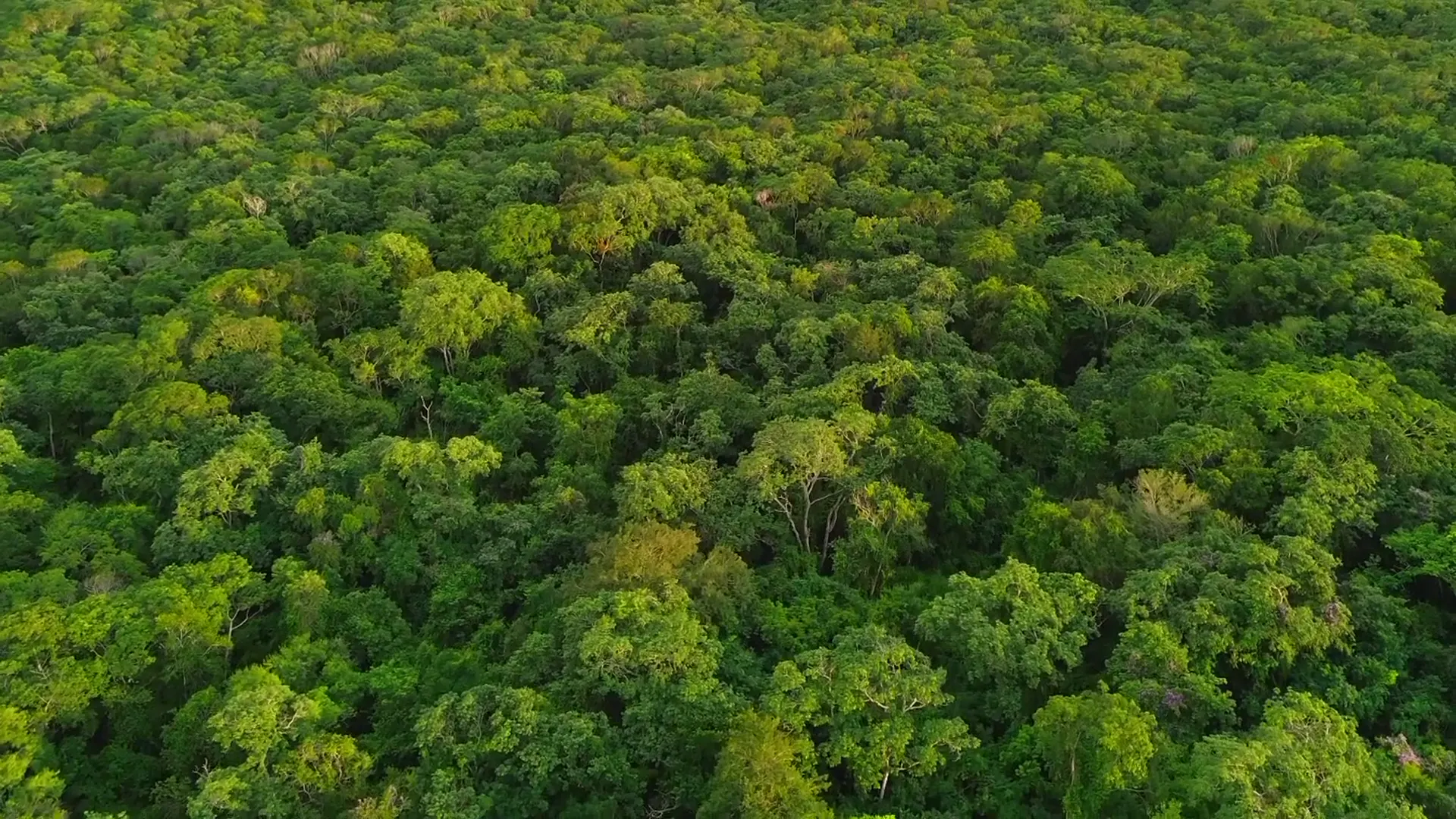
Understand how the Amazon is cared for.
Explore protected areas and collective territories. Connect environmental change with the people, practices, and support that sustain them.
A shared picture of the Amazon
Knowledge about the Amazon lives across communities, institutions, and datasets. Atlas connects it through the places they know and care for.
- What places are being cared for?Explore protected areas, Indigenous territories, and other collective lands—with information on their recognition, governance, and local context.
- How are they changing?Understand forest cover, ecological condition, and pressures such as roads, mining, and fire. Examine individual places or patterns across landscapes.
- What supports their care?Bring together management assessments, collective stewardship, community perspectives, and information on who supports where.
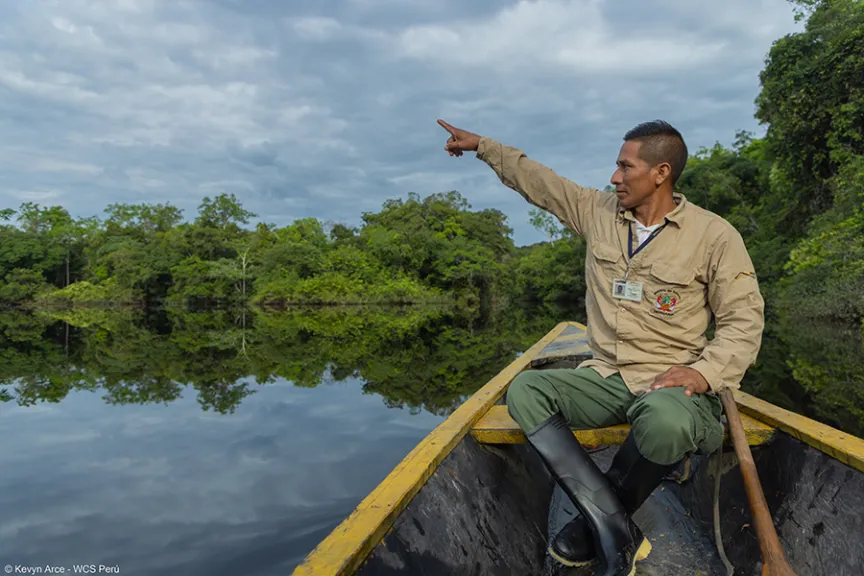
One place. A more complete picture.
A boundary shows where a territory is. Understanding its future also means knowing what is changing, how it is governed, and what matters to the people who care for it—and seeing it alongside the territories around it.
Browse areas and view metadata
2 km
Indigenous Territory
Dureno
EcuadorGeneral
- Designation
- Tierra Comunitaria
- Ethnicity
- Cofán
- Language
- A’ingae
- Area (ha)
- 9,703
Designation
- Status
- Formalized
- Year
- 1972
- Authority
- IAD
Governance
- Governance Type
- Collective
- Governance Subtype
- Indigenous Peoples
Find your starting point
Explore lands and territories
Find a place, understand its context, and discover its connections across the basin.
Explore the map
Compare areas and landscapes
Build a portfolio of places, examine their indicators, and share your analysis.
Discover portfolios
CASE in development
Assess management and stewardship
Work with existing protected-area assessment tools and explore CASE, a collective stewardship framework being developed with partners.
Explore assessment approaches
Improve the shared record
Add missing areas or contribute updates to boundaries, designations, and governance information.
Learn how to contribute
Built with the people who know these places.
Atlas grows through the knowledge of Indigenous Peoples, local communities, area managers, researchers, governments, and partner organizations.
- Locally informedPeople and institutions contribute knowledge about the places they know and represent.
- Reviewed with careProposed changes to area records pass through validation before publication.
- Shared on defined termsAccess reflects permissions and responsibilities. Communities choose the visibility of their own stories and maps.
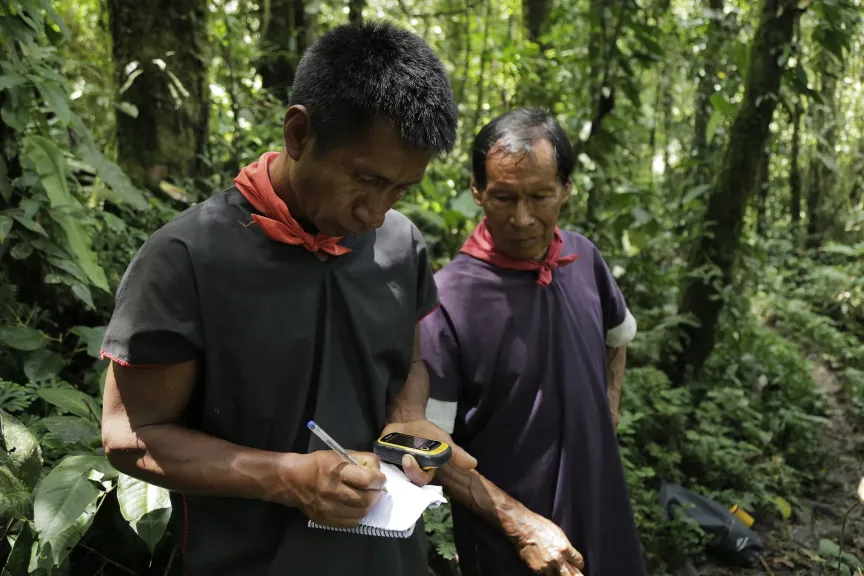
Help grow the Atlas
Atlas Amazon grows through the contributions of people working across the Amazon. Add new areas, improve metadata, share stewardship assessments, and help strengthen a shared understanding of conservation and stewardship across the basin.
- Areas mapped
- 10,531
- Collective lands and Indigenous territories
- 7,984
- Amazon countries
- 9