

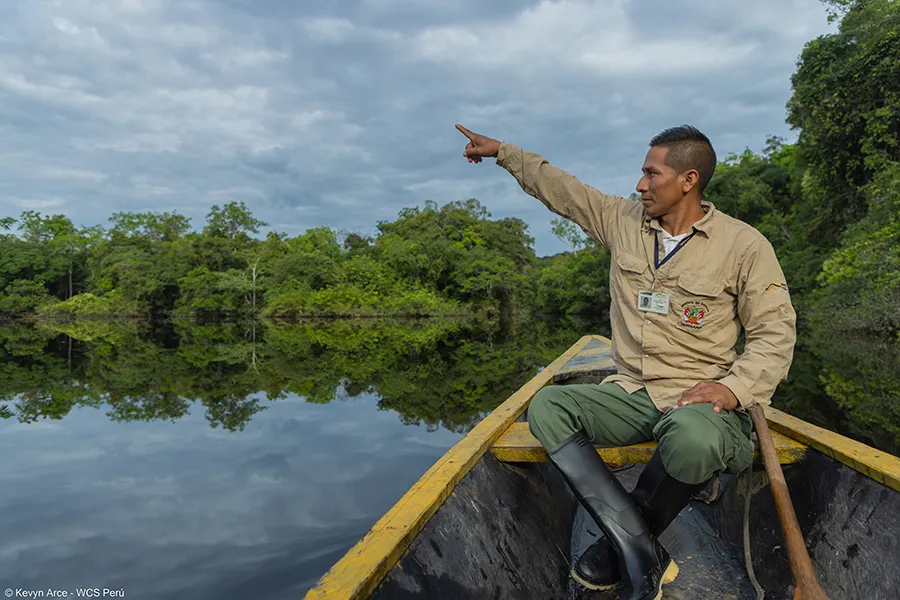
About Atlas Amazon
Atlas Amazon is a collaborative initiative designed to strengthen how stewardship systems across the Amazon are documented and understood. The platform provides a web-based spatial system for mapping lands and territories, documenting governance and stewardship practices, and generating comparable indicators across the region.
Through participatory design and regional partnerships, Atlas Amazon helps improve data transparency, support equitable finance, and strengthen the visibility of stewardship systems within national and global biodiversity frameworks.
Why Atlas Amazon Exists
Stewardship across the Amazon is shaped by diverse governance systems, knowledge traditions, and territorial practices. Yet the information used to understand these systems remains fragmented across datasets, reports, and institutions.
Global spatial databases provide important baselines, but they often lag behind local realities, overlook emerging areas, and struggle to represent how landscapes are governed and cared for in practice.
Atlas Amazon exists to bridge this gap, connecting spatial data with governance, stewardship, and contextual information to support a more complete understanding of how the Amazon is sustained over time.
What Makes Atlas Amazon Different
Atlas Amazon is designed as a collaborative and participatory system for documenting stewardship across the Amazon.
Rather than relying solely on centralized datasets, the platform enables people and organizations working across the region to contribute, structure, and connect knowledge within a shared spatial framework.
This approach builds on principles similar to open mapping systems, where data is continuously improved through contributions, validation, and use.
This collaborative model is implemented through four connected processes:
People and organizations contribute knowledge by adding areas, improving metadata, and uploading stewardship assessments.
All information is organized within a shared spatial system, where contributions are reviewed, validated, and linked to mapped areas with governance, stewardship, and ecological data.
Data is combined with assessment frameworks and regional datasets to generate indicators of stewardship, resilience, degradation, and pressure.
Users explore dashboards, compare governance systems, build portfolios, and track change across landscapes over time.
Assessment Components
Global commitments such as 30x30 emphasize the importance of expanding protected and conserved areas, while parallel efforts highlight the central role of Indigenous rights, self-determination, and diverse governance systems in sustaining the Amazon. Together, these priorities point to a shared need: understanding not only where lands and territories are recognized, but how they are governed and cared for over time.
Assessments play a critical role in this process. They provide structured ways to evaluate management, document stewardship practices, and identify strengths and gaps, supporting learning, adaptation, and more informed decision-making across scales. Atlas Amazon includes assessment components designed for different governance systems across the Amazon, enabling both standardized evaluation and locally grounded approaches to understanding how lands and territories are governed and cared for.
Protected Area Management Effectiveness (PAME)
Assessing management effectiveness in state governance contexts
This component supports structured assessments of how state designated protected and conserved areas are governed and managed.
Across the Amazon, many protected areas have limited or inconsistent assessment data, and managers often face multiple, overlapping reporting requirements across different frameworks and institutions. At the same time, the diversity of methods and timelines makes it difficult to compare results or apply them in ways that improve management.
Rather than introducing a new framework, Atlas Amazon organizes and aligns existing PAME assessments within a shared structure. Through crosswalks across methodologies, it enables results from different countries and systems to be compared and used together.
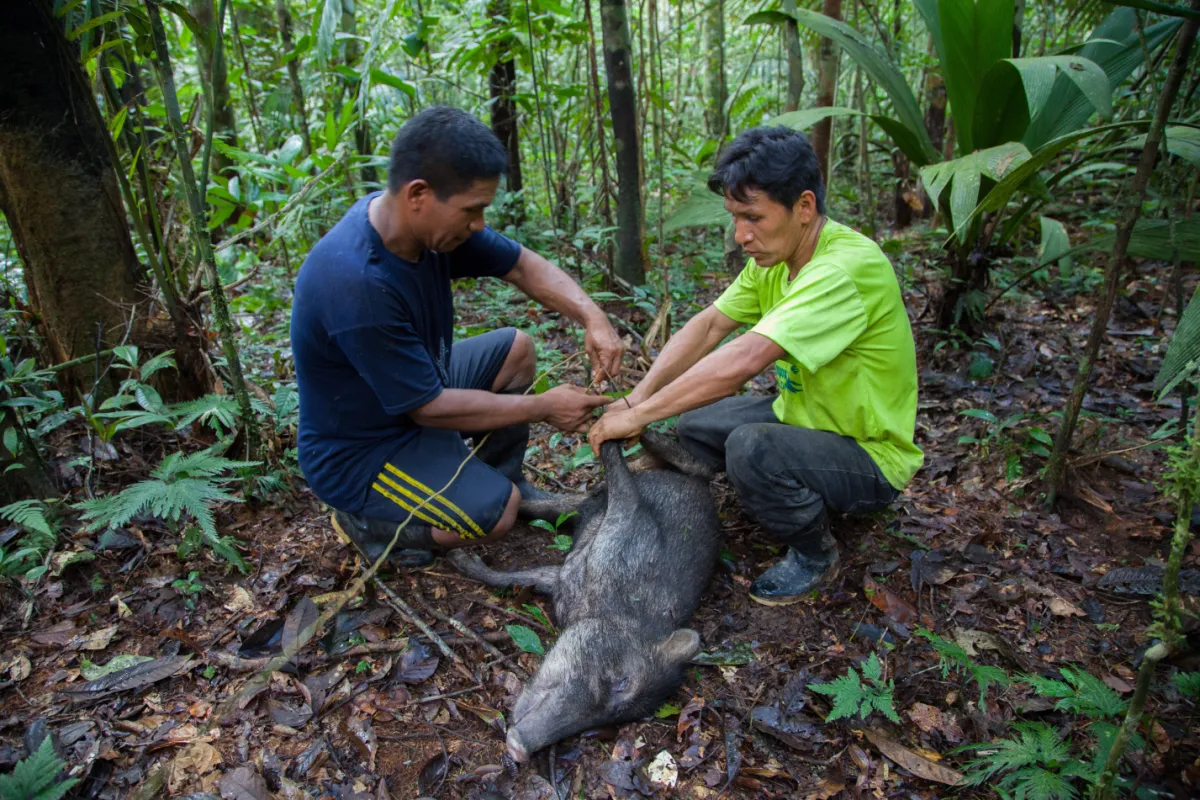

Collective Area Stewardship Effectiveness (CASE)
Assessing stewardship in collective governance systems
This component supports assessments of how lands and territories are governed and cared for within collective governance systems.
Across the Amazon, there is growing demand for assessment approaches that reflect locally defined priorities, support self-determined planning, and generate credible evidence of stewardship. At the same time, existing frameworks are often not designed for these contexts, making it difficult to document outcomes in ways that are both locally meaningful and externally legible.
CASE is developed through participatory and co-creation processes with partners across the region. It enables communities and organizations to define, monitor, and communicate stewardship outcomes based on their own governance systems, practices, and knowledge.
Looking Ahead
Atlas Amazon continues to grow through contributions from people and organizations working across the region.
As participation expands, the platform aims to strengthen the visibility of stewardship systems, improve the comparability of data across contexts, and support more informed decision-making at multiple scales.
By connecting local knowledge with regional and global frameworks, Atlas Amazon contributes to a more complete and dynamic understanding of how the Amazon is governed and sustained over time.